Brisbane: Iranian footballers become Australian citizens after defying Tehran
Two Iranian female footballers, Atefeh Ramezanisadeh and Fatemeh Pasandideh, are now Australian citizens after defying Tehran. Their naturalisation ceremony too
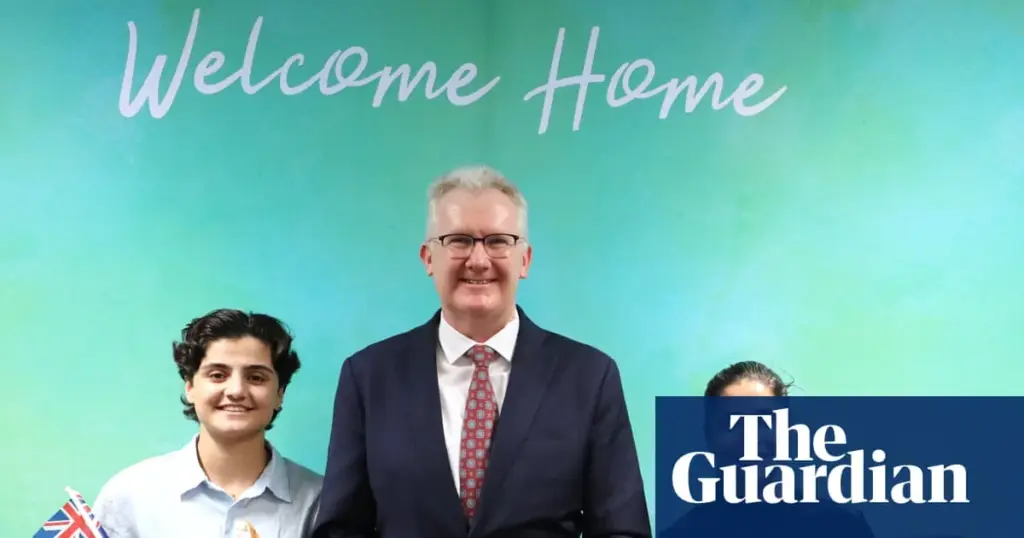
Iranian footballers who defied Tehran become Australian citizens
New beginnings in Australia
Two Iranian female footballers, Atefeh Ramezanisadeh and Fatemeh Pasandideh, have been granted Australian citizenship. The naturalisation ceremony took place in Brisbane, Queensland, on Wednesday. Both players expressed profound gratitude and pride regarding their new citizenship.
Ramezanisadeh, who is 34, described the day as “truly special and unforgettable.” Pasandideh, 22, echoed this sentiment, stating that “this moment means more than words can express” after the challenges they had faced. The ceremony was attended by Australia’s Minister for Home Affairs, Tony Burke, who presented them with their citizenship certificates.
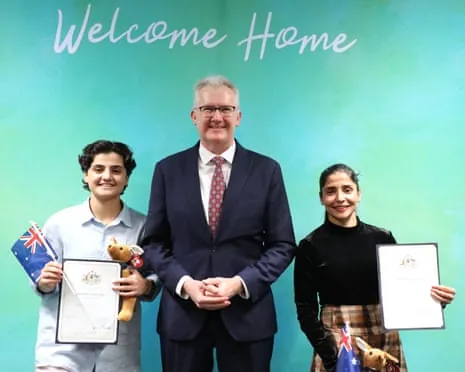
Pasandideh remarked that Australia is “a new beginning and a place I’m proud to call home.” Ramezanisadeh also shared her feelings of being “proud and deeply grateful to become an Australian citizen,” reflecting on the journey that led them to this point.
Defiance and humanitarian visas
Ramezanisadeh and Pasandideh were part of a group of seven members of Iran’s national team who sought humanitarian visas in Australia. This occurred during the Women’s Asian Cup in March. The players had publicly defied their government by refusing to sing the Iranian anthem at their opening match. This act of defiance took place just days after a war involving the US-Israeli alliance against Iran began on 28 February.
Concerns for the team’s safety intensified after footage emerged showing a host on state television labelling them as “traitors” who should be punished for their silence during the anthem on 2 March. Under pressure from the Iranian community in Australia, authorities initially offered the players an opportunity to seek asylum.
However, five of the seven players ultimately decided to return to Iran. Human rights activists have suggested that these women might have been pressured to reverse their decisions through threats against their families. Iran’s sports ministry, at the time, stated that those who returned had “defeated the enemy’s plans” through their “national spirit and patriotism.”
Despite the initial group of seven seeking protection, only Ramezanisadeh and Pasandideh accepted the offer to remain in Australia. Their decision to stay was an embarrassment for Iran’s leaders, though it was lauded by the US president. The plight of the players who returned to Iran remains unclear.
Continuing sporting careers
Since seeking asylum, both Ramezanisadeh and Pasandideh have been training with the A-League Women’s team, Brisbane Roar. The club congratulated them on their citizenship, with a spokesperson noting that the players had endured more than most people experience in a lifetime since February. The spokesperson added that Brisbane Roar was glad to have played a small part in their journey and that Queensland is now their home, with the door always open for them to return to training.
The players intend to continue their elite sporting careers in Australia. Their citizenship comes as the Australian government prepares to introduce stricter visa rules aimed at reducing migration. These new rules are expected to include restrictions on the work and appeal rights of asylum seekers, as well as a ban on visitors applying for family visas. The Australian government has faced increasing pressure from political opponents advocating for stricter migration policies, while refugee groups have criticised current measures, citing concerns for the safety of asylum seekers.
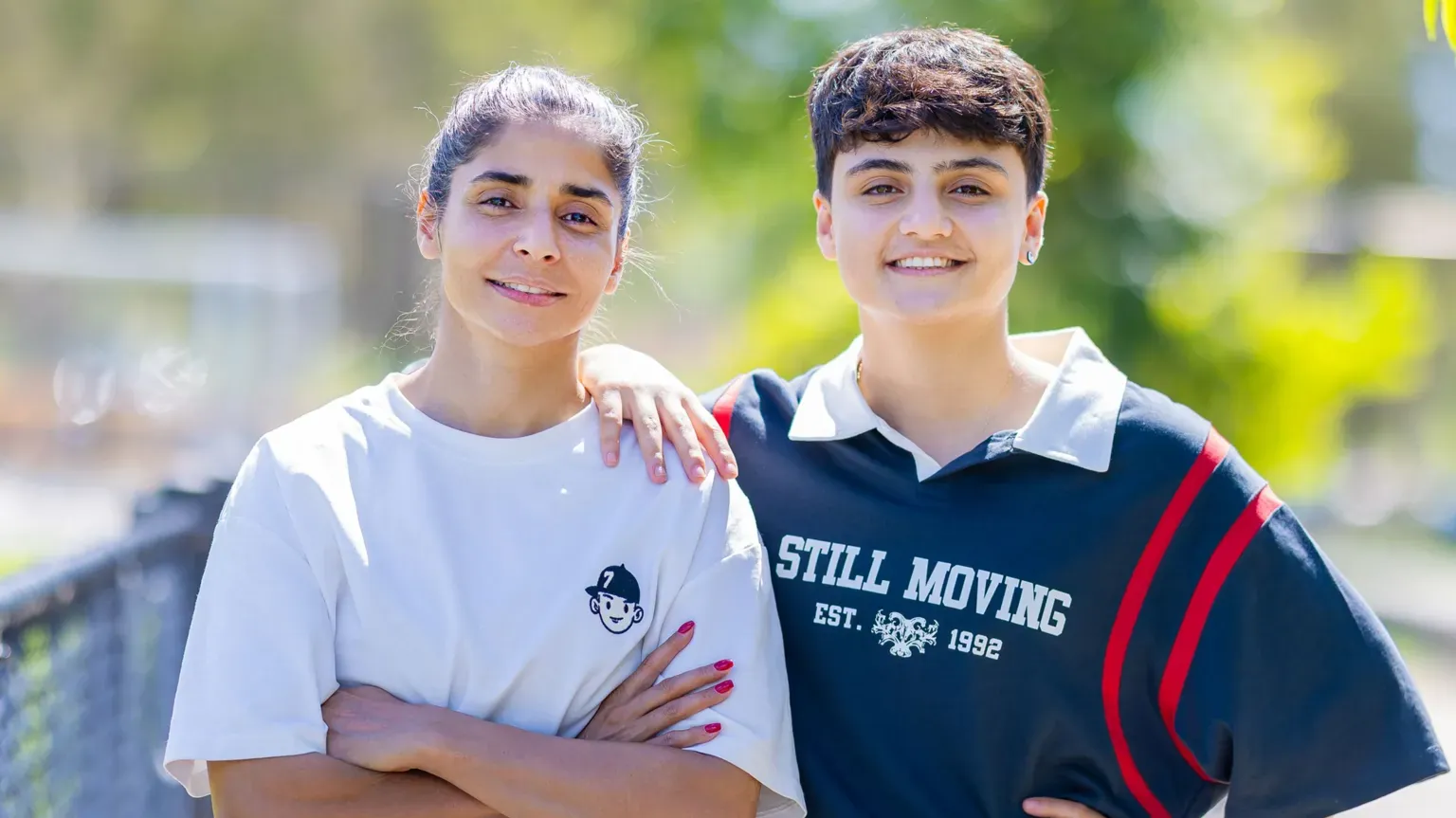
The naturalisation of Ramezanisadeh and Pasandideh marks a significant moment for the two athletes, providing them with a new home and the opportunity to pursue their professional aspirations in Australia.
Source: bbc.com

Rohan Gupta
Sports Reporter